Water is the most essential nutrient for the human body, yet it is often the most overlooked. While we can survive for weeks without food, we can only last a few days without water. Every single cell, tissue, and organ in your body requires water to function correctly. From regulating your body temperature to lubricating your joints and flushing out waste, hydration is the invisible engine behind your physical and mental health.
In our fast-paced modern world, many of us live in a state of chronic, mild dehydration. We mistake thirst for hunger, brain fog for fatigue, and irritability for stress—when in reality, our bodies are simply crying out for H2O. Achieving optimal hydration isn’t just about drinking when you feel parched; it’s about building a consistent lifestyle habit that supports your biological needs throughout the day.
Why Hydration Matters More Than You Think
Beyond basic survival, proper hydration is a powerful tool for performance. If you are even 2% dehydrated, your cognitive functions begin to dip. This means slower reaction times, decreased memory retention, and a shorter attention span. Physically, dehydration leads to reduced endurance, increased perceived effort during exercise, and slower recovery times.
Furthermore, water plays a crucial role in metabolic health. It aids digestion by helping break down food so that your body can absorb the nutrients. It also prevents constipation by keeping the intestinal tract flexible. For those looking to manage their weight, water is a natural appetite suppressant and helps the body metabolize stored fat more efficiently.

The Science of Daily Water Intake
The “8 glasses a day” rule is a good starting point, but hydration is highly individual. Factors such as your body weight, activity level, climate, and overall health status dictate how much water you specifically need. A more accurate approach is to listen to your body and observe the color of your urine—a pale straw color usually indicates healthy hydration, while dark yellow suggests you need to reach for a glass immediately.
The Top 3 Hydration Strategies for Optimal Health
- The “First Contact” Ritual (Morning Rehydration)When you wake up, your body has been without fluids for roughly eight hours. You are naturally dehydrated. Instead of reaching for coffee first—which acts as a mild diuretic—drink 500ml (about 16 oz) of room-temperature water. This “shocks” your internal organs into waking up, flushes out toxins accumulated overnight, and fires up your metabolism. Adding a pinch of sea salt or a squeeze of lemon can provide essential electrolytes to help the water enter your cells more effectively.
- Strategic Micro-Sipping vs. GulpingThe body can only absorb a certain amount of water at once (roughly 200-250ml every 15-20 minutes). If you “chug” a liter of water because you realized you haven’t drank anything all day, most of it will pass through your system without being properly utilized by your cells. The key to deep cellular hydration is consistent micro-sipping. Carry a reusable bottle and take small sips every few minutes. This ensures a steady supply of fluid for your brain and muscles without overwhelming your kidneys.
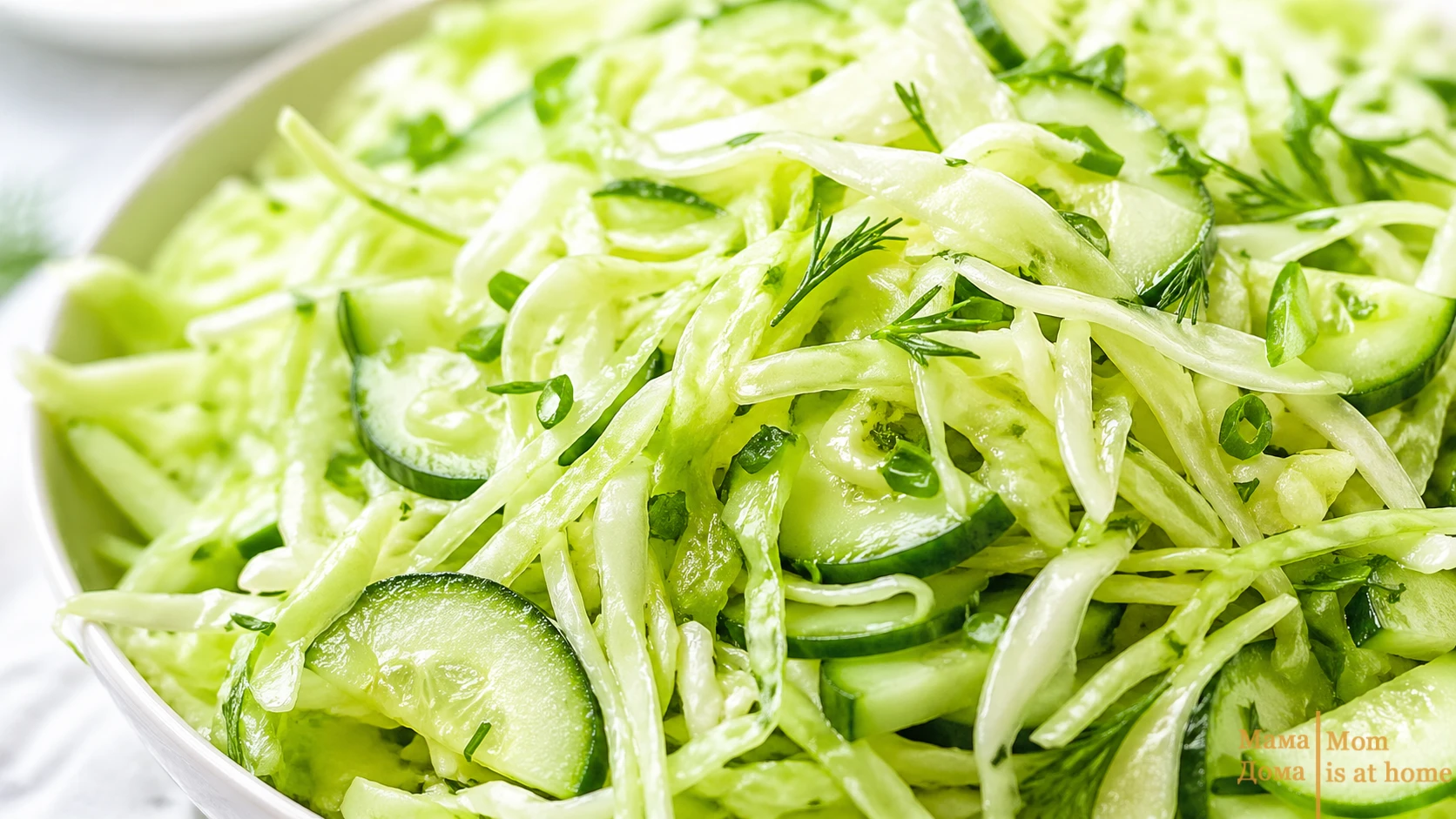
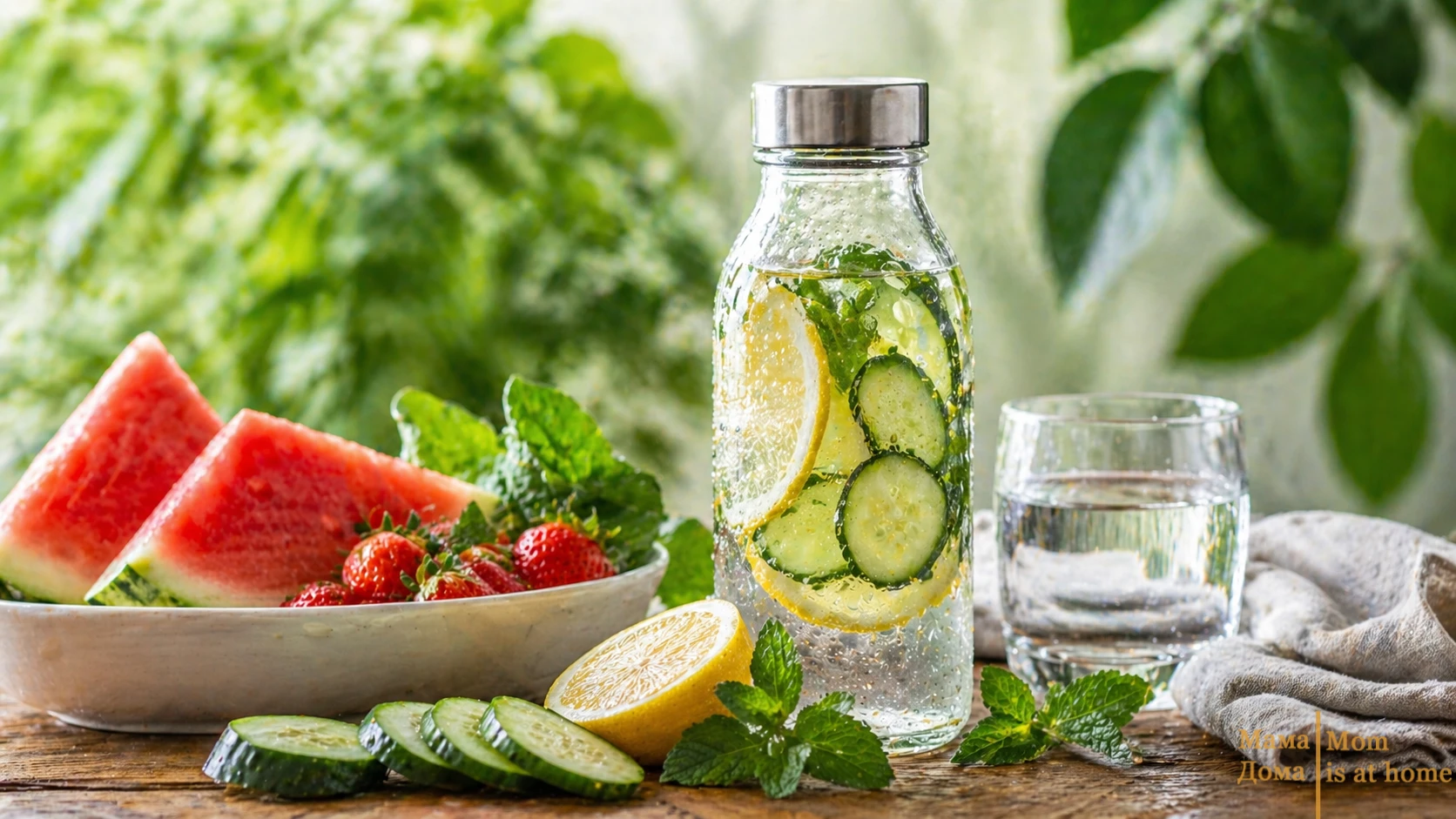
- Eat Your Hydration (Functional Foods)Hydration doesn’t only come from a glass. Roughly 20% of our daily fluid intake comes from food. Incorporating water-rich fruits and vegetables into your diet provides “structured water,” which is often packed with minerals and vitamins that aid absorption. Foods like cucumbers (96% water), watermelon (92%), strawberries, and leafy greens act as slow-release hydration sources. This is particularly useful during hot weather or long working hours when you might forget to drink.
Overcoming Common Barriers to Hydration
Many people struggle with hydration because they find water “boring” or they simply forget. To overcome this, try infusing your water with natural flavors. Slices of ginger, sprigs of mint, or frozen berries can transform a plain drink into a refreshing experience without the added sugars of sodas or juices.
Environmental cues are also vital. If your water bottle is tucked away in a bag, you won’t drink it. Keep it in your visual field—on your desk, on the kitchen counter, or in your car’s cup holder. Use technology to your advantage by setting “water breaks” on your phone or using a dedicated hydration app that tracks your progress and sends reminders.
Hydration and Skin Health: The Internal Glow
The beauty industry spends billions on moisturizers, but the most effective moisturizer is the one you drink. Water improves skin elasticity and helps maintain the skin’s barrier function. While water alone isn’t a cure for skin conditions, proper hydration ensures that your skin cells are plump and can effectively flush out impurities, leading to a clearer, more radiant complexion over time.
Conclusion: A Commitment to Yourself
Hydration is not a one-time event; it is a continuous commitment to your physical and mental well-being. By implementing the “First Contact” ritual, practicing consistent micro-sipping, and eating water-rich foods, you are giving your body the foundation it needs to thrive. Start today. Your brain will be sharper, your skin clearer, and your energy levels more stable. Every sip is an investment in a healthier you.