The struggle of the spring slump: lethargy and shedding
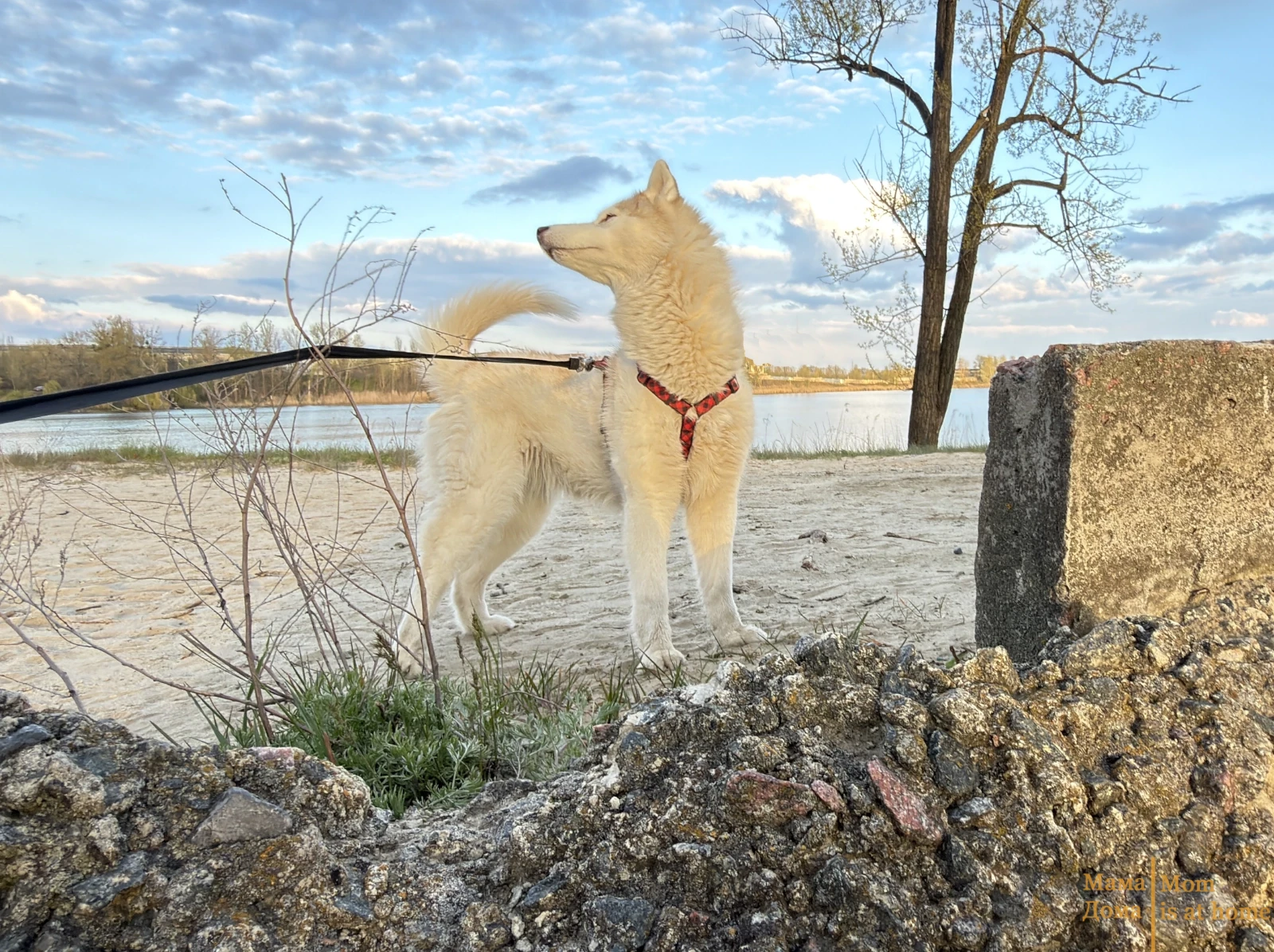
When the spring warmth hits, my husky’s internal clock seems to reset: and not in a way that makes my life easier. The lethargy is the most worrying part: seeing a dog that normally lives for long walks and mental challenges suddenly prefer the cold tiles of the kitchen floor over her favorite toys.
This isn’t just laziness, it is a massive biological shift where her body is funneling every bit of spare energy into pushing out that thick winter undercoat. I have realized that her refusal to eat is often her body’s way of saying it is overwhelmed: digestion takes energy, and right now, all her energy is going into her skin and fur. Finding a way to support her during this time is a constant battle of trial and error.
You want to give them the best, but when they turn their nose up at the highest quality food, it feels like a personal failure. We have to look for high-calorie, nutrient-dense options that don’t require them to eat a massive volume of food to get what they need. During the spring, every bite has to count because you never know when the next meal refusal will happen. This is the time to prioritize quality over everything else: looking for ingredients that specifically target coat health and energy levels without being “heavy” on the stomach.
How i choose her food: looking for real meat instead of marketing
When i am standing in the store or looking at a website, i skip all the fancy pictures and go straight to the ingredients list because i know my dog will smell a fake a mile away. I look for specific named meats like lamb, salmon, or beef as the very first ingredient: i never buy anything that mentions vague meat by-products or animal derivatives.
If i cannot identify the protein, i know she won’t eat it either. I also check for fats that will help her grow that new coat: i look for salmon oil or flaxseed because i can see the difference they make in the shine of her fur. Since she is already feeling lethargic, i avoid anything heavy in corn or wheat which just slows her down even more.
My goal is to find a dense, high-quality kibble or wet food where even a small portion gives her enough energy for the whole day. It is about being a detective for my pet: reading between the lines of the label to ensure she gets only what her body can actually use during this intense shedding phase.
The tricks i use when she walks away from the bowl
I have learned that sometimes the food is fine, but her appetite needs a little “kickstart” to get going. I often add a bit of warm bone broth or a spoonful of plain yogurt to her bowl: the smell of the warm broth often triggers her interest when dry kibble alone fails. If she still won’t eat, i don’t panic anymore: i simply pick up the bowl after fifteen minutes and try again later.
I have noticed that pushing her to eat only makes the situation worse: so i keep the atmosphere calm and never force her. Sometimes i turn her dinner into a game by hiding pieces of food around the room or using a puzzle toy: this engages her smart brain and often makes her forget she was supposed to be on a hunger strike.
It is all about variety and making the process of eating more interesting than just standing over a ceramic dish. I also make sure she is drinking plenty of water: because i know that hydration is just as important as solid food when her body is working so hard on her coat.
My Personal Spring Strategy
- Check the first three ingredients: they must be real, named animal proteins.
- Add healthy fats: a little fish oil goes a long way for her shedding skin.
- Keep meals small: nutrient density is more important than volume right now.
- Stay calm: my dog feels my stress, so i keep mealtime relaxed and pressure-free.
- Use enrichment: puzzle feeders can sometimes trick her into eating when she is bored.
Watching for the return of her spark
I know that this spring slump is temporary, so i keep a close eye on her every day to see when her energy starts to return. I look for that brightness in her eyes and the moment she finally starts asking for a walk again. When i see her coat starting to look smooth and shiny instead of dull and clumpy, i know the nutrition i chose is doing its job. I check her weight by feeling her ribs through her fur: because she can look thin while she is losing her winter coat even if her weight is actually fine. It is a relief when the strike finally ends and she cleans her bowl with her usual enthusiasm. Every year i learn something new about her needs: and every year i get better at picking the right fuel for her arctic metabolism. It is a lot of work and it is often frustrating: but seeing her happy and active again is the best reward i could ask for. We navigate these spring weeks together: and it only makes our bond stronger as i learn to listen to what her body is really telling me.
Signs that i have found the right balance
- Her energy levels start to stabilize: she is less lethargic during the day.
- The new coat grows in soft and vibrant: no signs of dry skin or irritation.
- She stops ignoring the bowl: she shows genuine interest in her scheduled meals.
- Her stools are consistent: a clear sign that her body is absorbing the nutrients.
More useful content